Combat Guide
A Fatekeeper combat guide should cover reactive melee timing, blocking, dodging, enemy patterns, spell use, and how sword-and-sorcery builds change moment-to-moment decisions.
fatekeeper combat, melee and magic, beginner guideIndependent Fatekeeper wiki hub
Fatekeeper is now available in Early Access on Steam for Windows PC. This independent Fatekeeper wiki hub gives players a current, source-aware starting point for the release date, Steam availability, beginner guide routes, combat systems, builds, map notes, screenshots, and official links.
Verified from official Fatekeeper and Steam information where accessible. This site is independent and not affiliated with THQ Nordic or Paraglacial.

A dark fantasy first-person RPG focused on sword and sorcery, reactive melee combat, magic, gear, and exploration.
Official publisher pages identify Paraglacial as the developer behind Fatekeeper.
THQ Nordic publishes Fatekeeper and hosts the official Fatekeeper game site.
Fate Keeper and Fatekeeper game searches should resolve here; this page avoids unrelated Gatekeeper, APK, free-download, or console claims unless official sources support them.
Steam is the verified official store link. This Fatekeeper wiki does not list PS5 or console availability unless official sources confirm it.
Search demand centers on Fatekeeper, Fatekeeper game, Fatekeeper release date, Fatekeeper platforms, and Fate Keeper spelling variants.
Wiki navigation
A Fatekeeper combat guide should cover reactive melee timing, blocking, dodging, enemy patterns, spell use, and how sword-and-sorcery builds change moment-to-moment decisions.
fatekeeper combat, melee and magic, beginner guideFatekeeper progression is one of the most important wiki topics because character choices shape weapons, attributes, spell schools, and survivability across the handcrafted world.
fatekeeper builds, progression, attributesA useful Fatekeeper database should track weapons, armor, artifacts, stat roles, upgrade paths, and the practical difference between heavy melee, nimble combat, and spell-focused loadouts.
fatekeeper weapons, armor, relicsFatekeeper exploration spans ancient battlegrounds, underground caverns, forests, sanctuaries, and hidden lore. A wiki map hub should organize areas by quest progress and discoveries.
fatekeeper world, locations, mapBecause Fatekeeper release date and Fatekeeper platforms are high-volume questions, this hub keeps official Steam and Windows PC details separate from unverified console speculation.
fatekeeper release date, fatekeeper steam, fatekeeper ps5The Fatekeeper wiki should cite official pages for developer, publisher, early access, screenshots, trailers, and store links so new players can tell confirmed facts from assumptions.
fatekeeper wiki, official info, faqOfficial media
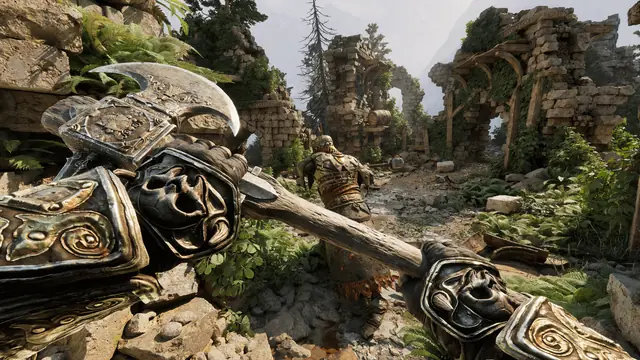
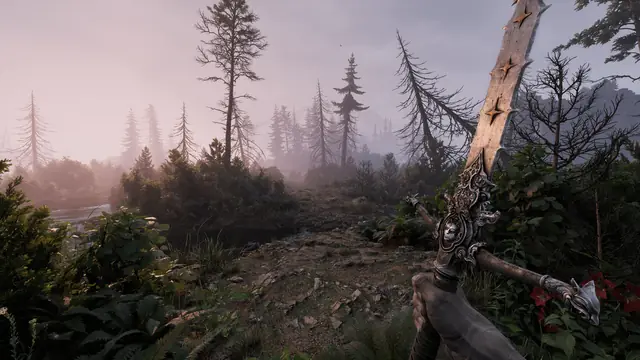
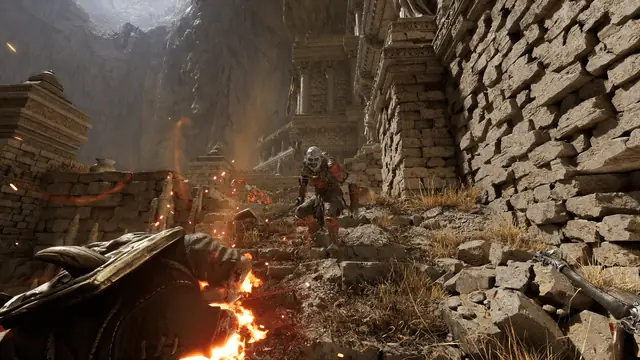
Game systems
The official Fatekeeper positioning emphasizes reactive melee combat and spell precision. A strong Fatekeeper guide should explain not only which weapon is strong, but when to commit, when to defend, and how enemy weaknesses shape loadout choices.
Fatekeeper progression is described as more than surface-level stat growth. A wiki needs pages for attributes, combat styles, spell schools, upgrade priorities, and beginner-safe build paths.
Fatekeeper follows a focused narrative path while still rewarding exploration. Wiki location pages should make hidden lore, relics, underground areas, forests, sanctuaries, and encounter routes easy to scan.
Future page architecture
Beginner route, combat fundamentals, first build choices, exploration safety, and spoiler-aware progression advice.
Recommended next page Read the beginner guideClass-style build paths, attribute priorities, gear decisions, melee-magic balance, and conservative Early Access progression advice.
New supporting guide Read the builds guideWeapon roles, armor weight, artifacts, coatings, upgrade priorities, and future database rules for source-aware gear planning.
Published weapons guide Read the weapons guideAncient battlegrounds, caverns, forests, sanctuaries, hidden lore, and route notes for Fatekeeper exploration.
Recommended wiki hubA spoiler-light Fatekeeper bosses and enemies guide for reading attack patterns, preparing gear and spells, tracking weaknesses, and building reliable wiki notes.
Bosses & Enemies Bosses & EnemiesOfficial Fatekeeper Steam link, Early Access status, PC platform notes, system requirement tracking, and safe purchase guidance.
Published Steam guide Read the Steam guideVerified developer and publisher credits for Paraglacial and THQ Nordic, source checks, and a clear separation from Steam.
New verified studio guide Read the studio guideA source-aware Fatekeeper engine guide confirming Unreal Engine 5 while separating graphics, performance, and platform claims that need their own evidence.
New engine explainer Read the engine guideFatekeeper is a dark fantasy first-person RPG built around the feel of sword and sorcery. The core Fatekeeper search intent is split between navigational users who want the official Steam page and informational users who want a Fatekeeper wiki, Fatekeeper release date details, Fatekeeper game systems, and platform clarity. This homepage answers those first because a Fatekeeper fan site is only useful when it separates confirmed facts from speculation.
As of June 17, 2026, the most important update for Fatekeeper searchers is that Early Access is no longer only an upcoming date. Official Fatekeeper and Steam pages present the game as available in Early Access on Windows PC, with the developer describing a smaller current slice and a longer full-version target. This wiki keeps that status visible near the top so players do not land on stale pre-launch copy.
The official Fatekeeper materials describe a handcrafted world with ancient battlegrounds, underground caverns, forests, sanctuaries, hidden lore, relics, and unexpected encounters. That makes Fatekeeper a strong fit for a PC indie wiki structure: guide pages for progression, database pages for weapons and gear, location pages for exploration, and a Steam or download information page that links only to official sources.
Fatekeeper combat should be treated as a major wiki pillar. The game emphasizes reactive melee, magic, distinct enemy patterns, strengths, weaknesses, preparation, and tactical adaptation. A future Fatekeeper combat guide should not be a generic RPG article. It should explain how a player reads an encounter, when a sword-focused build is safer, when spell precision matters, how armor and weapons affect decision-making, and which early mistakes cost the most progress.
Progression is another Fatekeeper topic that deserves structured coverage. Official descriptions point to meaningful choices across combat styles, attributes, and spell schools. That means Fatekeeper build pages should group recommendations by player intent: raw strength, nimble precision, hybrid melee-magic, and heavier sorcery. Until deeper Early Access data is collected, this Fatekeeper wiki keeps recommendations conservative and labels future database pages as planned rather than pretending to have complete item stats.
Search data also shows meaningful interest in Fatekeeper release date, Fatekeeper platforms, Fatekeeper PS5, and the spelling variant Fate Keeper. The verified homepage answer is simple: official sources identify Windows PC and Steam, with Early Access starting on June 2, 2026. This site should not claim a Fatekeeper PS5 version, console release, APK, free download, or browser version unless an accessible official source confirms it. For players, that prevents wasted clicks and keeps the Fatekeeper guide hub trustworthy.
The long-term Fatekeeper Blog architecture should route each user intent to the most useful page. New players need a beginner guide. Returning players need weapons, armor, artifacts, enemies, locations, and build pages. Searchers checking availability need a Steam and release status page. Lore readers need spoiler-controlled world pages. The homepage remains the Fatekeeper wiki starting point, while future inner pages can go deeper without stuffing every detail into one long landing page.
Trailer and gameplay
Fatekeeper is a first-person dark fantasy RPG centered on sword-and-sorcery combat, character progression, exploration, weapons, armor, artifacts, and a handcrafted world. This Fatekeeper wiki hub is an independent guide site, not the official game site.
Official Fatekeeper site data lists Early Access beginning on June 2, 2026 for Windows PC. Because release information can change, this Fatekeeper wiki links to official Steam and publisher sources instead of inventing dates.
Yes. Steam is the verified official store link for Fatekeeper, with app ID 2186990. Use the Steam button on this page for the official Fatekeeper store listing.
This Fatekeeper wiki currently treats Windows PC and Steam as the verified platform information. It does not claim PS5, Xbox, Switch, Android, or iOS support unless official sources confirm those platforms.
Official publisher information identifies Paraglacial as the developer and THQ Nordic as the publisher of Fatekeeper.
A strong Fatekeeper beginner guide should cover first-person combat timing, melee and magic basics, attribute choices, safe exploration, gear priorities, enemy patterns, and which information is confirmed during Early Access.
Some searchers compare Fatekeeper with older first-person fantasy action RPGs, but this wiki avoids making spiritual sequel claims unless the developer or publisher states them directly. It is safer to compare mechanics, not declare lineage.
Yes. As of June 17, 2026, official sources list Fatekeeper as available in Early Access on Steam for Windows PC. Check the Steam page for the live price, regional availability, requirements, and update notes.
Fate Keeper is a common spaced spelling variant of Fatekeeper. This wiki treats it as the same game intent, while avoiding unrelated Gatekeeper-style searches, APK pages, or unofficial download claims.